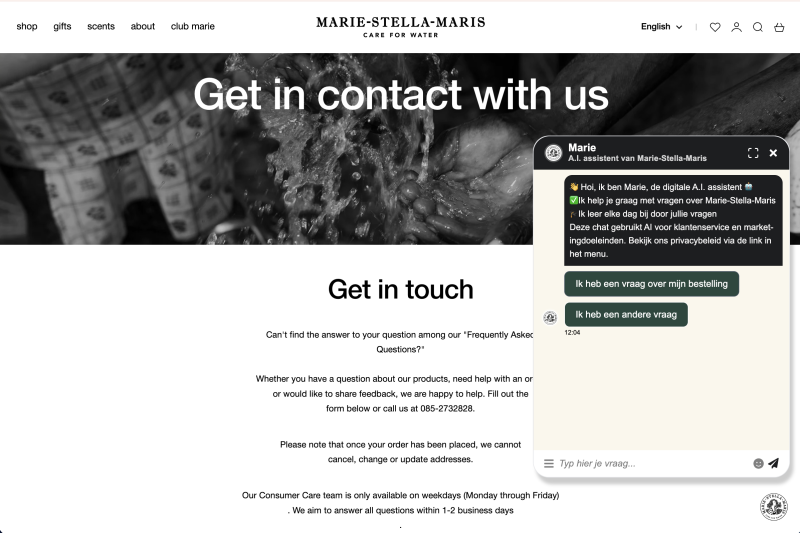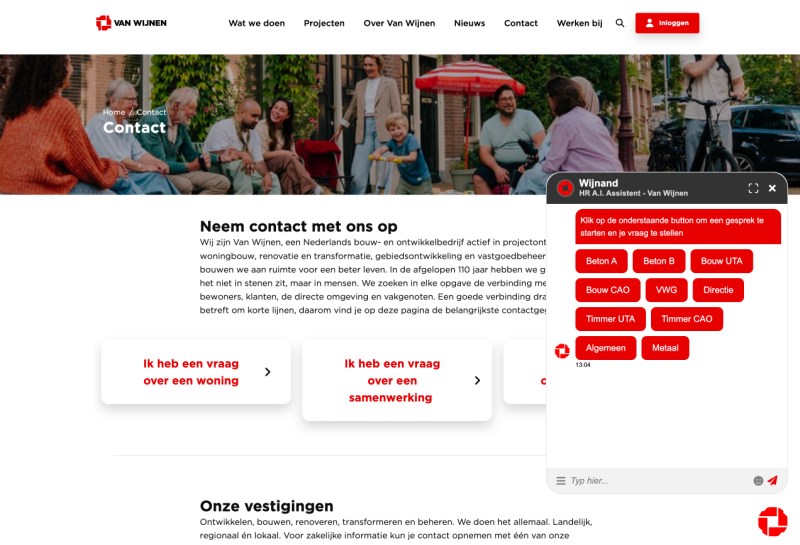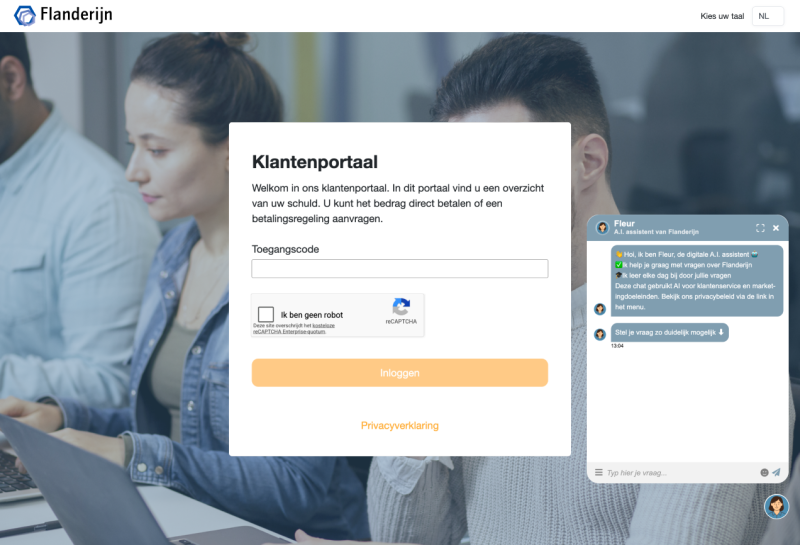
AI-agenten worden steeds intelligenter, maar om echt effectief te zijn, moeten ze begrijpen in welke context ze opereren. Het Model Context Protocol (MCP) is een methode die bepaalt welke informatie een AI nodig heeft om specifieke taken goed uit te voeren. Het brengt structuur, controle en relevantie – de basis voor betrouwbare AI-interacties.
What exactly does MCP do?
MCP acts as a kind of traffic controller for information. It determines what data should be retrieved, where it comes from, when it should be available to the AI and when it should be forgotten again.
This means that the AI does not need to “know” everything in advance. Instead, it can dynamically access the right context at the right time, such as from a CRM system, calendar app or internal knowledge base.
Why is this important?
An AI without context does not know what is important. Without structured access to external context, AI models operate in isolation, which limits their effectiveness in practice. MCP addresses the “M × N integration problem” by simplifying connections. Instead of M × N unique integrations, you only need M clients and N servers that can all interact with each other. This makes AI interactions more relevant, scalable and based on up-to-date information. The result is often a vague, generic or even wrong answer.
MCP solves this by:
- Giving the AI only the information needed at that moment,
- Connect systems in a safe and controlled manner,
- To ensure that answers remain relevant, personal and current.
A universal connector for AI tools
MCP is not just about relaying information, it ensures seamless collaboration between AI and the tools it relies on. Whether the context is in a CRM, HR system, email platform or calendar app, MCP ensures that the AI speaks the same “language” as the connected systems. In this sense, MCP can become the USB-C port of AI ecosystems, a universal and flexible standard that allows any AI model to connect securely, consistently and without friction to any tool or data source.
Practical examples
- Customer inquires about the status of a delivery
A customer sends a message, “Can you tell me where my package is?”
Thanks to MCP, the AI already knows who the customer is and retrieves tracking information directly from the linked e-commerce platform. The AI replies, “Your package was scanned at the sorting center today at 10:34 a.m. and is scheduled for delivery tomorrow between 2 p.m. and 4 p.m.” - Employee asks about appointment with company doctor
An employee asks, “What time is my appointment with the company doctor tomorrow? And can I reschedule it?”
MCP allows the AI to retrieve the calendar and appointment details from the absence system. The AI sees that the appointment is scheduled at 09:00 and that a change request can be submitted through a linked portal. The AI replies:
“Your appointment is scheduled for Thursday at 9 a.m.. Would you like me to suggest a new time?” - Employee asks about remaining vacation days
An employee asks, “How many vacation days do I have left?”
MCP enables the AI to retrieve relevant HR information from AFAS, for example. Based on the contract and leave balance, the AI provides a personalized response:
“Je hebt nog 12,5 vakantiedagen over dit kalenderjaar.”
The power of context awareness
MCP enables AI systems to handle information smarter. By focusing on what is relevant at the time, the system remains secure, efficient and reliable. No data overload. No confusion. Only answers that matter.